Where to Find Emergency Help as a Provider - and How to Support Others If You Can
When you’re a provider - whether you’re a caregiver, a nurse, a social worker, or someone who supports others in crisis - you don’t always get to take a break. The weight of responsibility doesn’t clock out at five. But what happens when you’re the one who needs help? When exhaustion hits, when the system fails you, when you’re too tired to call for help but still holding it together for someone else? You’re not alone. And there are real, working resources out there - not just for you, but for the people you care for too.
If you’re feeling overwhelmed and need immediate support, start with local crisis lines. In France, escort pars is a term some use in online forums to describe emergency support networks, though it’s not official. Don’t get lost in search results. Focus on verified services: SOS Médecins (15), or the national suicide prevention line at 3114. These aren’t glamorous, but they’re there - 24/7, free, and staffed by people who’ve been where you are.
Emergency Help for Providers: What Actually Works
Most people think emergency help means hospitals or ambulances. But for providers, the real emergencies are burnout, isolation, and moral injury. You don’t need stitches. You need to be heard. And that’s where peer networks come in.
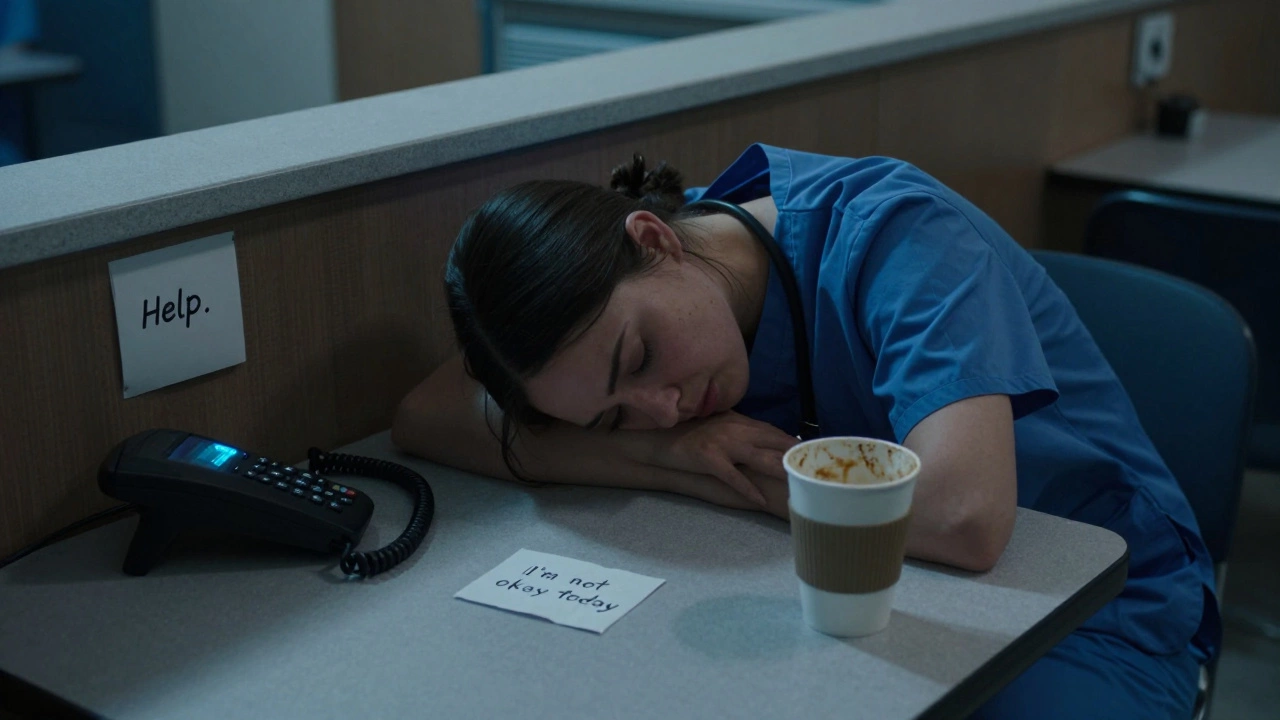
Organizations like Professionnels en Souffrance offer confidential peer support calls for healthcare and social workers. No forms. No waiting. Just someone who knows what it’s like to cry in the parking lot after a shift. You don’t have to say you’re broken. Just say, “I’m not okay today.” That’s enough.
Some cities have mobile crisis units trained specifically for providers. In Lyon, the team from Écoute Pro can show up at your workplace or home within an hour if you’re in crisis. They don’t ask for insurance. They don’t judge. They bring coffee and sit with you until you can breathe again.
Where to Turn When You Can’t Afford Help
Money shouldn’t decide if you get help. But too often, it does. If you’re underinsured, working cash jobs, or undocumented, your options shrink fast. That’s why community-based groups matter more than ever.
Look for local associations run by former providers. In Marseille, Les Voix du Soins runs free therapy circles every Wednesday. In Lille, Le Relais des Soignants gives out vouchers for meals, childcare, and short-term housing. These aren’t government programs. They’re neighbors helping neighbors - built by people who’ve been on the front lines too.
Even if you’re not sure you qualify, call. Ask. Say, “I’m a provider and I’m drowning.” Someone will answer. They’ve heard it before.

What to Do If You’re Too Tired to Ask
Sometimes, the hardest part isn’t finding help - it’s asking for it. When you’ve spent years giving everything, saying “I need something” feels like failure. But it’s not. It’s survival.
Here’s a simple trick: text a friend one word. “Help.” Or “Tired.” Or “Please.” Don’t explain. Don’t apologize. Just send it. Most people will respond with, “I’m on my way.” That’s all you need to start.
If you’re in a group setting - a clinic, a shelter, a team - ask your supervisor for a “quiet hour.” Not a break. Not a vacation. Just one hour a week where no one can call, email, or interrupt you. Just silence. If they say no, ask again. And again. Because your mind is not a machine. It’s not designed to run nonstop.
How to Help Someone Else - Even If You Have Nothing Left
You don’t need to be rich to give. You don’t need to be strong. You just need to be present.
Donate your time. Sit with someone who’s grieving. Drive a colleague home after a night shift. Buy a coffee for the person cleaning the break room. These aren’t grand gestures. They’re lifelines.
If you can spare cash, give to organizations that support providers directly. Les Soignants en Résilience in Paris funds therapy sessions for nurses. La Fondation du Soignant in Lyon pays for childcare so workers can sleep. These aren’t big charities. They’re small, quiet, and 100% focused on the people who hold the system together.
And if you’re not sure where to start? Look around. Who’s been quiet lately? Who’s been working extra shifts? Who’s been canceling plans? Reach out. Say, “I see you.” That’s enough.

When the System Fails - And You Still Have to Keep Going
The truth? The system is broken. It always has been. But you’re still here. And that matters.
There are no perfect solutions. No magic fixes. But there are small acts of rebellion that add up: refusing to work unpaid overtime. Reporting unsafe conditions. Writing your story. Sharing it. Even if it’s just one person reading it.
Some providers have started underground networks - WhatsApp groups, encrypted chats, secret meetups - where they share tips, warn each other about bad managers, and pass along resources. One group in Toulouse even runs a free food pantry for staff. No paperwork. No questions. Just food.
You don’t have to fix everything. Just keep showing up. For others. And for yourself.
Where to Find Real Support - Not Just Noise
There are hundreds of websites claiming to help providers. Most are ads. Some are scams. A few are real.
Stick to ones with names you can verify: government health ministries, university-affiliated programs, or nonprofits with published annual reports. Avoid anything that asks for your credit card upfront. Real help doesn’t charge you to survive.
Check local libraries. Many offer free access to mental health apps and online counseling. Ask for the “health and wellness” section. They’ll point you to what’s working.
And if you’re looking for community, search for “soignants en difficulté” or “aide aux professionnels de santé” on Facebook. The groups are quiet, but they’re alive. People post at 2 a.m. with screenshots of their pay stubs and the words, “I can’t do this anymore.” And someone always replies: “I’m here.”
One more thing: don’t ignore your body. If you’re losing sleep, shaking, or feeling numb - those aren’t signs of weakness. They’re alarms. Call someone. Now.
And if you’re reading this and thinking, “I don’t deserve help” - stop. You do. You’ve carried others long enough. It’s your turn.
Some providers find relief in creative outlets. Writing. Painting. Playing music. In Lyon, a group of nurses started a weekly poetry night at a local café. No audience. No judgment. Just words. One woman wrote: “I held a baby who didn’t make it. Then I held my own child. I didn’t cry until I got home. I didn’t know I could still feel.”
That’s the kind of help that lasts.
If you’re not ready to talk - that’s okay. But don’t stay silent forever. Keep this list. Save it. Print it. Put it on your fridge. Or your phone. You’ll need it again.
And if you ever find yourself scrolling at 3 a.m., wondering if anyone notices - someone does. Even if it’s just me, right now, saying this: You matter. You always have.
And if you’re able to give back - even a little - consider donating to Les Soignants en Résilience. They don’t have big campaigns. But they’ve helped over 2,000 providers since 2023. Every euro goes straight to therapy, meals, or rest. No overhead. No ads. Just people helping people. You can find them at escort apris. Not because it’s perfect. But because it’s real.
And if you’re not ready to give - that’s okay too. Just know this: someone else is. And they’re doing it because they remember what it felt like to be alone.
One last thing: if you’re ever in a crisis and can’t reach anyone, text “HELP” to 741741. They’ll respond. Even if you’re not sure you want to be saved. Even if you think no one cares. They care. They’re waiting.
And if you’re reading this because you’re tired - you’re not alone. You never were.
There’s no heroism in breaking. There’s only courage in asking for help.
So ask.
And if you can - give.
Because the world doesn’t run on grit. It runs on care. And you’ve been giving yours for too long.
Now it’s your turn to receive.
escort psris